
Kenya: A land that stays with you long after your journey
Kenya holds a particular place for us, it's where our own roots run deepest. Extraordinary wildlife, dramatic landscapes, some of the continent's most celebrated wilderness: this is the country we're most deeply connected to, but even now, no sighting ever feels routine. From the sweeping grasslands of the Maasai Mara to the snow-capped silhouette of Kilimanjaro, from ancient baobabs in Tsavo to flamingo-lined lakes in the Rift Valley, Kenya holds remarkable variety within a relatively compact country.
Why Kenya Rewards a Well-Planned Safari
Kenya's great advantage is how much ground it covers without asking you to sacrifice ease of movement to see it.
Variety within reach. Grassland, desert, forest, lake and coast all sit within a country you can cross without exhausting internal logistics, a real rarity among Africa's classic safari destinations.
Infrastructure that works seamlessly. Kenya's safari industry is mature and well established, which means reliable bush flights, and camps that have had decades to refine what they do.
Maasai Mara: Kenya's Iconic Big Five Wilderness
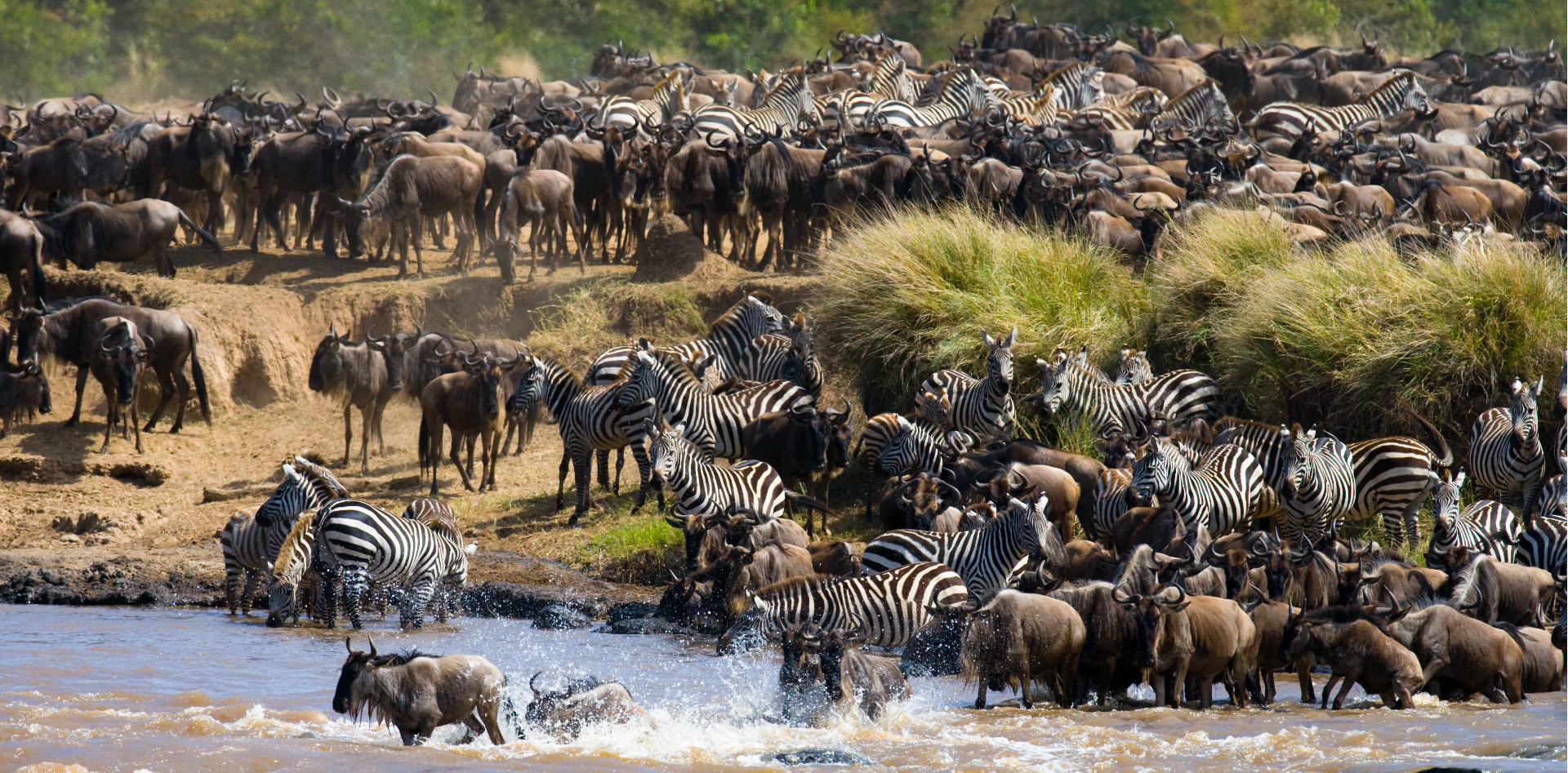
The Maasai Mara the crown jewel of Kenya, is one of Africa's great wildlife destinations. Its vast, rolling grasslands support an extraordinary concentration of wildlife throughout the year: lions, leopards, cheetahs, elephants, buffalo and expansive herds of plains game. The openness of the terrain is what sets it apart; predators are often visible across the grassland rather than concealed, making it one of the most rewarding landscapes for game viewing anywhere in Africa.
Between July and October, the Mara becomes part of the Great Migration, as immense herds of wildebeest and zebra move north from Tanzania's Serengeti in search of fresh grazing, a spectacle that remains, for me, among the most extraordinary in the natural world. But the Mara is not defined solely by the migration.
However, Masai Mara's resident wildlife makes it rewarding in any season, while the private conservancies bordering the national reserve offer a quieter, more exclusive way into the same ecosystem, fewer vehicles, and far greater freedom to follow the wildlife on its own terms.
Best time to visit the Masai Mara: July-October for the migration and driest conditions; January-March for excellent resident wildlife and noticeably quieter camps. The Mara genuinely rewards visitors year-round.
Amboseli: Elephants Beneath Kilimanjaro
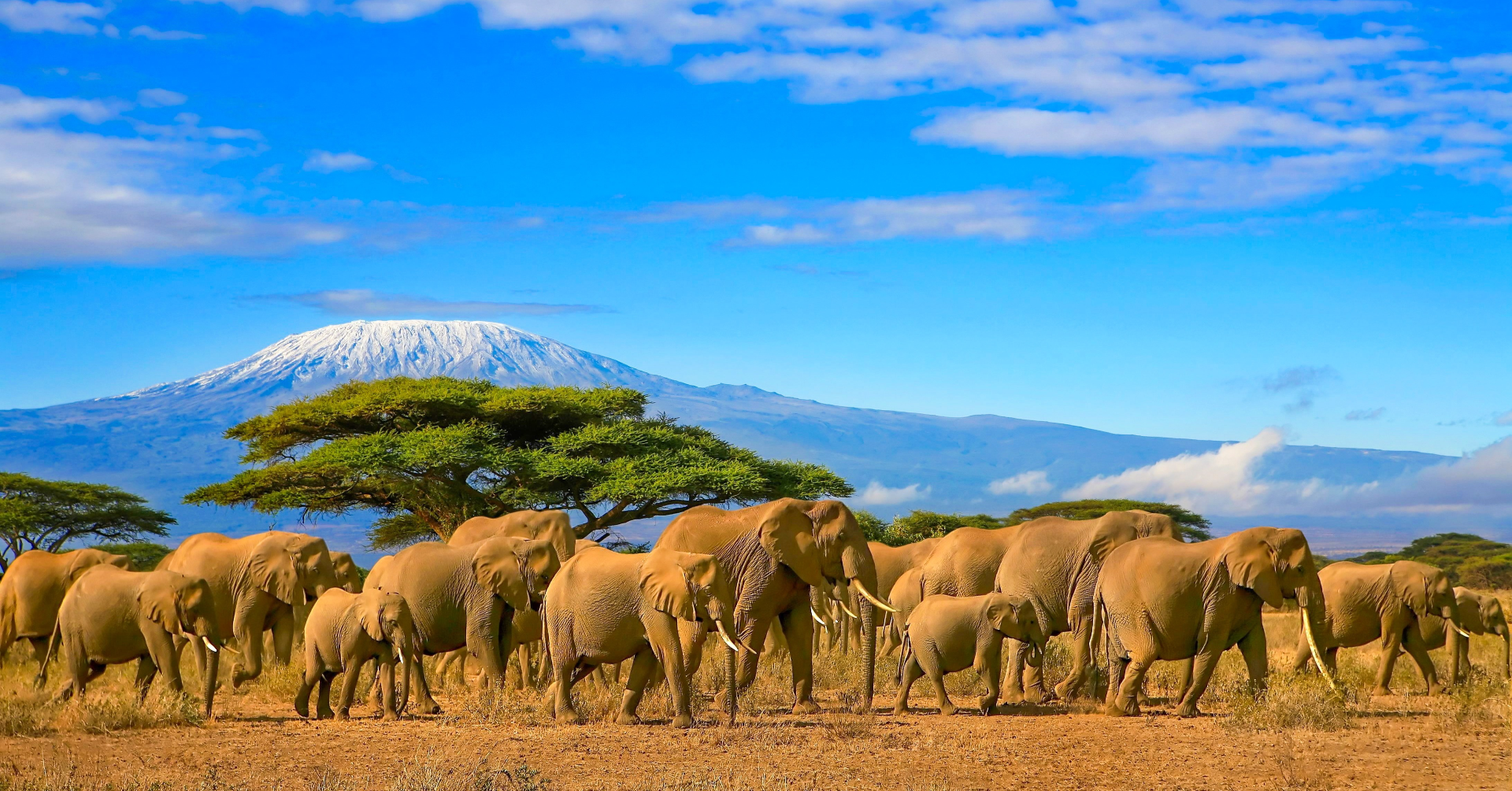
Amboseli holds one of Kenya's most recognisable safari scenes: vast elephant herds crossing open plains beneath the towering presence of Kilimanjaro. It is a view I have returned to many times, and one that has never lost its power.
The ecosystem is renowned for its elephants, including several of Africa's legendary Super Tuskers, alongside lions, buffalo, giraffes, zebras, wildebeest and exceptional birdlife. The landscape itself is inseparable from the experience : dusty plains, acacia woodland and seasonal wetlands, with the light around Kilimanjaro shifting continuously through the day.
Beyond the national park, community conservancies offer a more intimate approach to the wider Amboseli ecosystem, including guided walks and encounters that reveal how closely local communities, wildlife and the land are woven together here.
Best time to visit amboseli: June-October and January–March for the clearest skies, driest conditions and best Kilimanjaro views.
Tsavo: Kenya's Vast, Untamed Wilderness
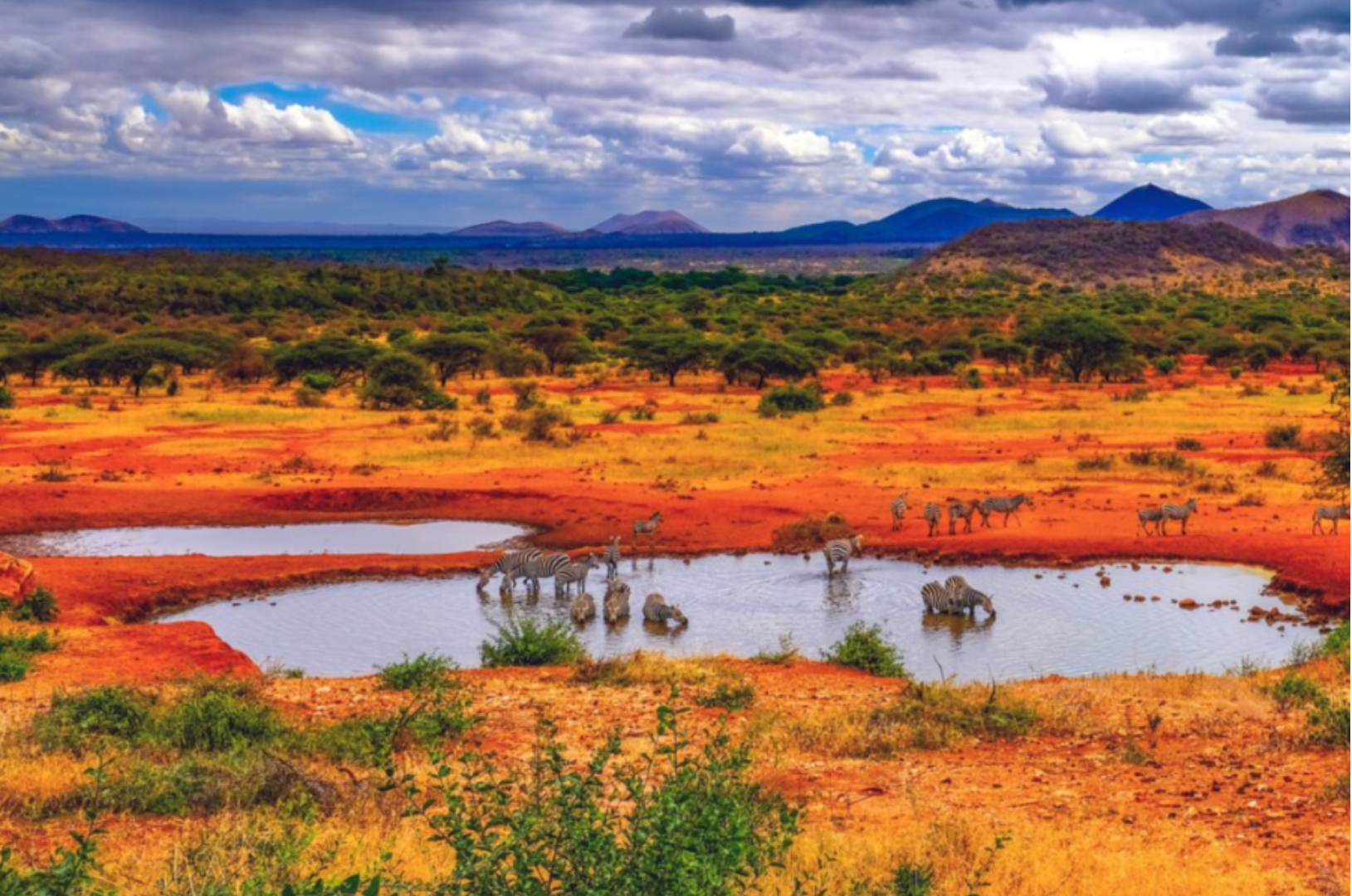
Tsavo rarely gets the attention it deserves, and I've never quite understood why; it's Kenya's largest protected area by a wide margin, split into Tsavo East and Tsavo West, and together they hold some of the country's most dramatic and least crowded scenery.
Tsavo East is defined by open plains and the red dust that gives the region's elephants their distinctive rust-coloured hide; a detail unique to this part of Kenya. The Galana River cuts through the landscape and draws wildlife reliably even in the dry months, while Lugard Falls and the Yatta Plateau, one of the world's longest lava flows, add real geological drama to the scenery.
Tsavo West, by contrast, is greener and more varied: volcanic hills, natural springs and the crystal-clear waters of Mzima Springs, where hippos and crocodiles can be watched from an underwater viewing chamber. The Taita Hills rise along its edge, adding a cooler, more forested backdrop entirely unlike anywhere else in southern Kenya.
Together, both parks support strong populations of elephant, lion, buffalo, giraffe and an excellent variety of plains game, with far fewer vehicles than you'll find in the Mara. Tsavo also sits conveniently between Nairobi and the coast, which makes it a natural stop for travellers combining safari with time in Diani or Zanzibar.
Best time to visit: June-October for the strongest wildlife concentrations around permanent water; the landscape stays dramatic year-round.
Lake Nakuru: Rift Valley Drama in a Compact Park
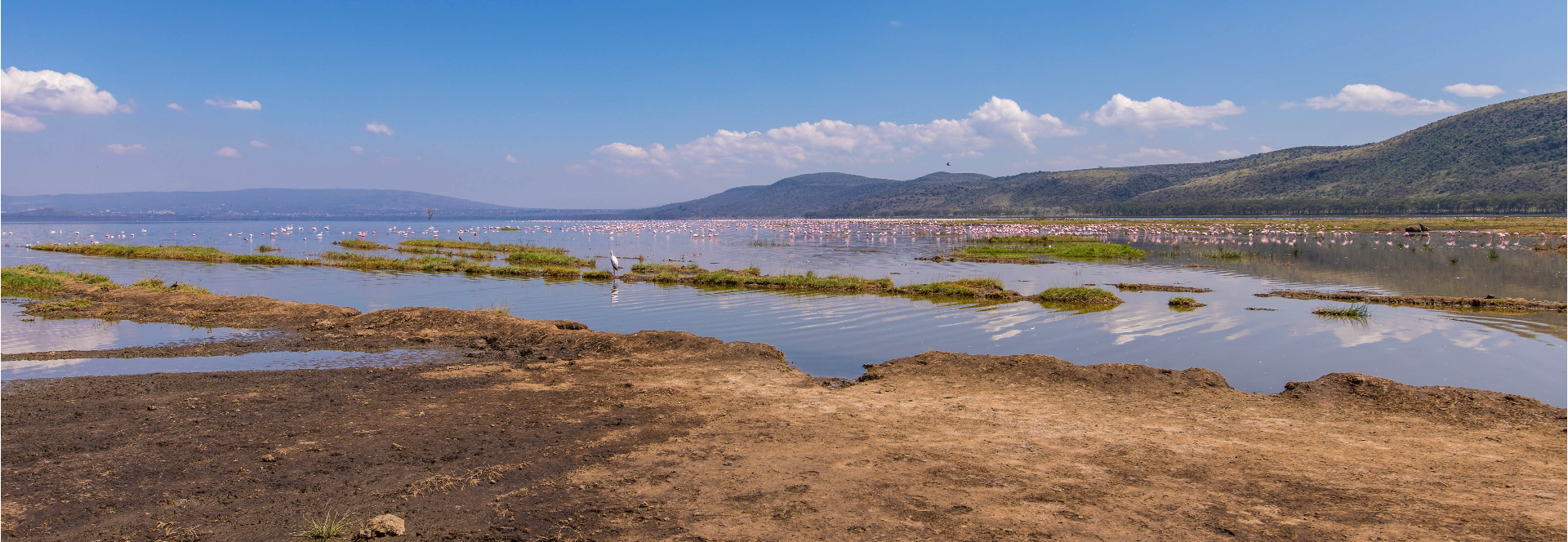
Lake Nakuru is proof that a small park can still deliver a genuinely memorable safari day.
Set within the Great Rift Valley, this soda lake has long been famous for the flamingos that gather along its shores, though numbers shift with the lake's water levels from year to year, when conditions align, the sight of thousands of pink birds against the water is unforgettable. What makes Nakuru consistently worthwhile regardless of the flamingos, though, is that it's a fully fenced rhino sanctuary, home to both black and white rhino, and one of the most reliable places in Kenya to see them at close range. The park is also one of the best places on the continent to spot the striking, endangered Rothschild's giraffe.
Surrounded by acacia woodland and rocky escarpment, Nakuru feels compact and easy to explore thoroughly in a short stay, which makes it an excellent addition for travellers extending a Mara safari or breaking up the drive between Nairobi and destinations further west.
Best time to visit: Year-round for rhino and giraffe viewing; check current flamingo numbers closer to your travel dates, since these fluctuate with rainfall.
Lake Naivasha: A Gentler Rift Valley Escape
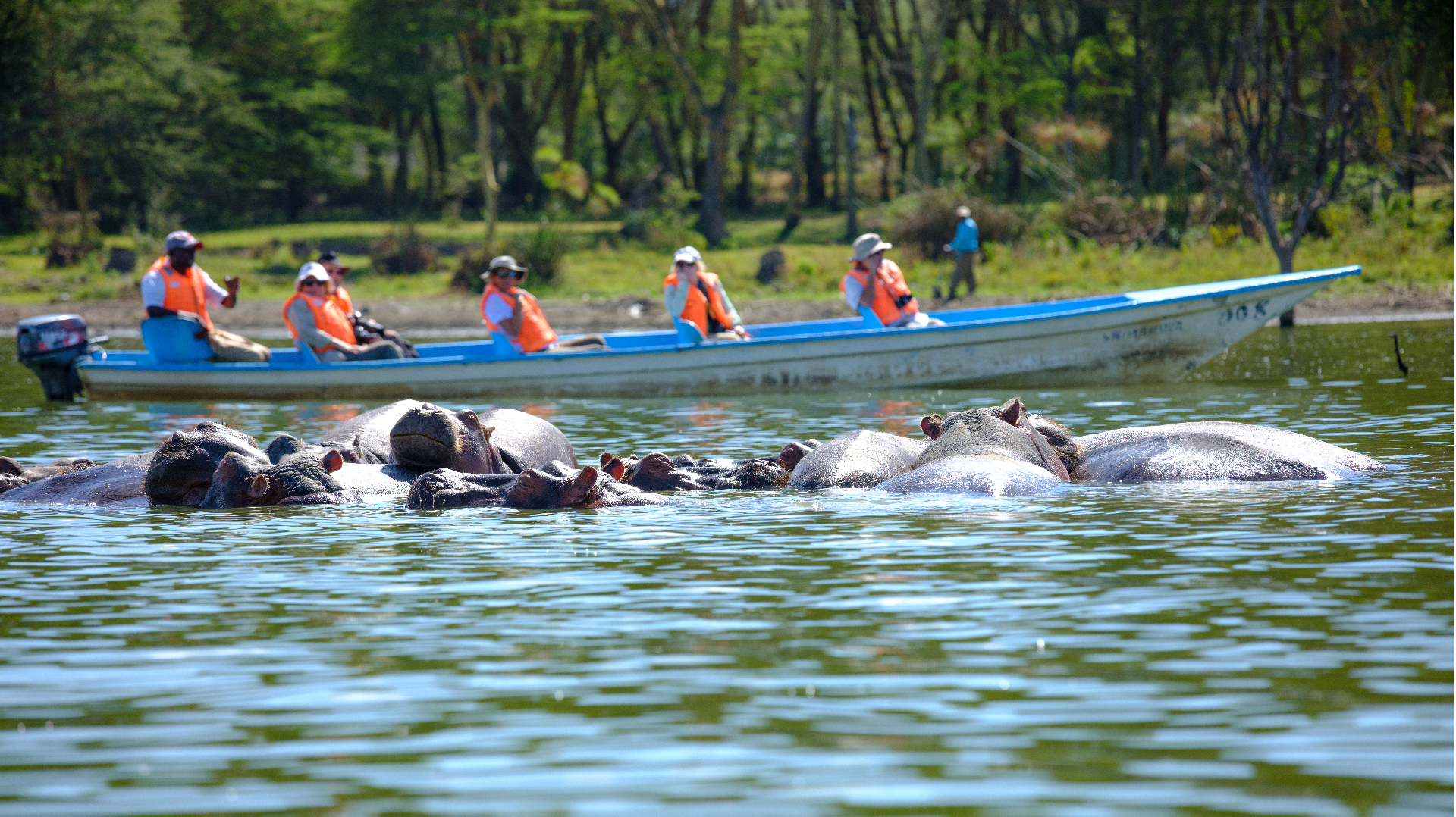
Lake Naivasha is where I often send travellers who want a change of pace without giving up wildlife altogether, a freshwater lake barely ninety minutes from Nairobi, ringed by acacia woodland and framed by the Rift Valley escarpment.
The lake itself is alive with birdlife : fish eagles, pelicans, herons and hundreds of other species, and a boat ride across it is genuinely one of the more relaxed ways to spend a Kenyan afternoon, gliding past pods of hippo along the shoreline. Just offshore, Crescent Island offers something unusual for Kenya: a walking safari without the presence of predators, close enough to giraffe, zebra, waterbuck and gazelle to feel like you're moving through the herd rather than observing it from a vehicle.
Horseback riding across the surrounding plains is another highlight, and one I'd recommend to any traveller who wants to see this landscape from an entirely different vantage point.
Naivasha works particularly well as a short, restorative stop between Nairobi and the Mara, or as a quieter final night before flying home.
Best time to visit Lake Naivasha: Year-round, though the driest months (June-October and January-March) offer the clearest conditions for boat trips and walking safaris.
Laikipia: A Wilder, More Private Kenya
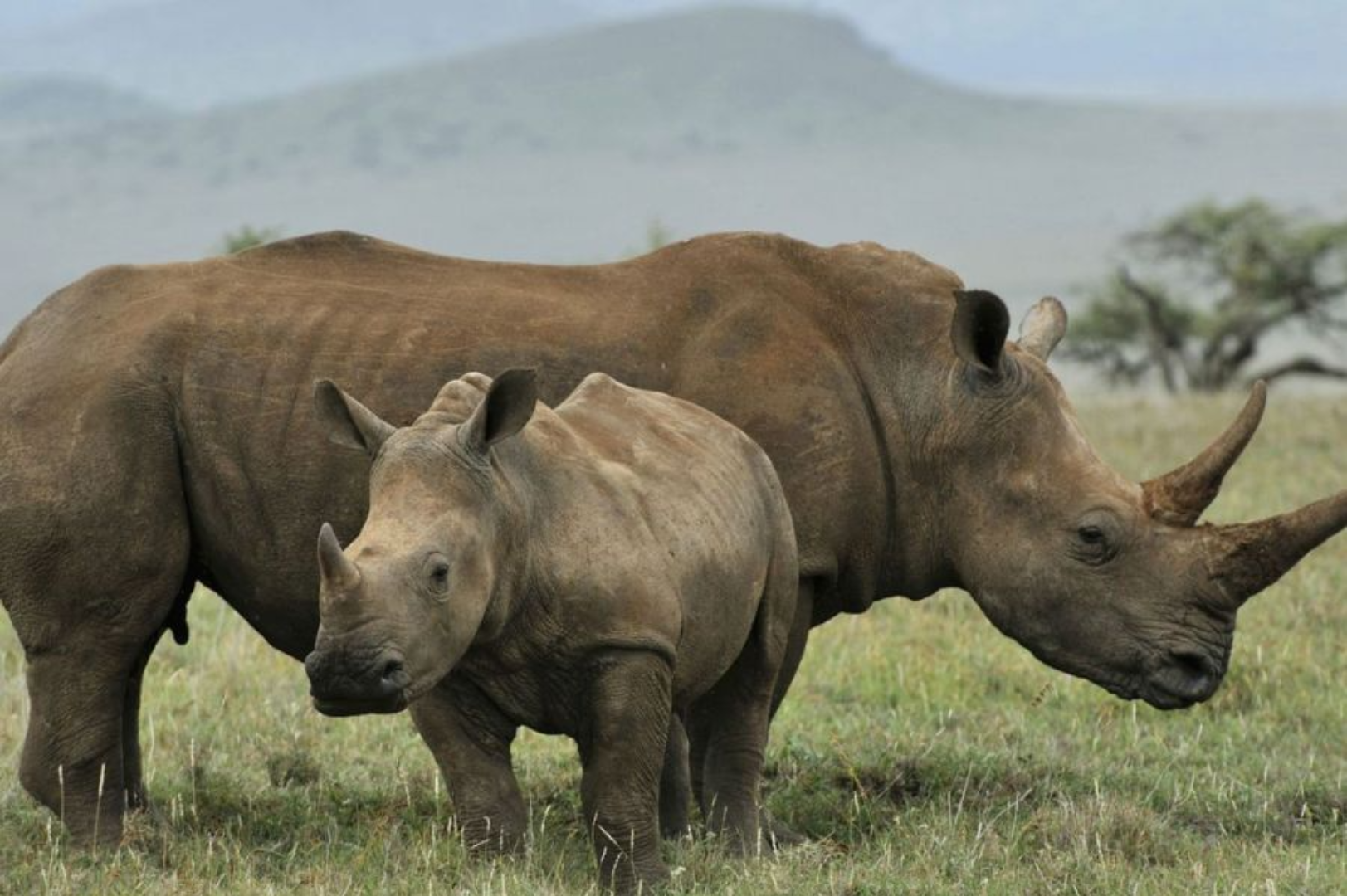
Beyond Kenya's best-known destinations lies a markedly different wilderness, and it is the region I find myself recommending with increasing frequency.
Laikipia is defined by vast open landscapes, rugged hills and private conservancies where conservation and local communities are deeply intertwined. The experience here has less to do with following a fixed safari circuit, and more to do with genuine exploration. In many conservancies, vehicles are scarce, affording greater freedom to roam and a sense of space and solitude rarely found elsewhere in Kenya.
Laikipia is also one of the country's most significant conservation landscapes, home to substantial populations of endangered black and white rhino, African wild dogs and Grevy's zebra, alongside elephants, lions, leopards and abundant plains game. I recommend this region particularly to returning safari travellers seeking a quieter, more adventurous side of Kenya, as well as to those drawn to conservation work, walking safaris and community-led initiatives.
Best time to visit: June–October for concentrated wildlife around water; January–March for another strong, quieter window.
Samburu and the Northern Frontier
North of Laikipia, Kenya changes character entirely. The land turns arid and rugged, the light takes on a different quality, and the wildlife shifts to species you simply won't encounter further south.
Samburu National Reserve and its surrounding conservancies sit along the Ewaso Nyiro River, which becomes the lifeline of the entire ecosystem during the dry months. This is the territory of Kenya's Special Five : Grevy's zebra, reticulated giraffe, Beisa oryx, gerenuk and Somali ostrich; species adapted to this harsher, drier landscape and rarely seen in Kenya's southern parks. Elephant, lion and leopard are all present too, drawn to the river in numbers as the dry season progresses.
Beyond the wildlife, Samburu offers something the southern circuit generally doesn't: a genuine, unhurried encounter with the Samburu people, whose way of life remains closely tied to this land. It's a region I recommend to travellers who've already experienced the classic Kenya circuit and want to see a side of the country most visitors never reach.
Best time to visit: June-October, when wildlife concentrates most reliably along the river.
Nairobi: Where Your Kenyan Journey Begins
Nairobi is more than a gateway to safari, it's where my own connection to this country first took root, and it deserves more consideration than most itineraries allow it.
Kenya's capital combines a vibrant urban culture with remarkable proximity to nature, making it possible to open or close a safari with an experience entirely distinct from life in the bush. Nairobi National Park sits remarkably close to the city centre, offering the rare opportunity to observe wildlife against the backdrop of Nairobi's skyline : lions, giraffes, rhinos, buffalo and a variety of plains game inhabit its open grasslands and riverine areas.
The city itself reveals a different facet of Kenya, with exceptional restaurants, galleries, markets and cultural experiences that offer a window into contemporary Kenyan life before venturing into the wilderness. For most travellers, Nairobi marks the beginning of the journey. In my experience, it can also become one of its most memorable chapters.
Why Combine Kenya's Safari Regions?
Among the aspects I most value in designing a Kenyan safari is the sheer diversity the country offers within such a manageable footprint.
A journey combining Amboseli, Laikipia and the Maasai Mara, for instance, can carry you from elephant country beneath Kilimanjaro, through private conservation landscapes, and into one of Africa's greatest predator habitats, all within a single itinerary. Add Tsavo or Samburu, and the contrast deepens further: red-dust plains and lava flows in one direction, arid desert wilderness in the other.
Rather than spending hours on the road between destinations, most of Kenya's safari regions can be connected by scheduled safari flights, allowing more time in the wilderness and less in transit. This is where considered itinerary planning becomes essential; the right combination depends on the season, your particular wildlife interests, your preferred style of accommodation, the time available, and the pace you wish your safari to take. I can help determine which destinations genuinely complement one another, rather than simply adding further stops to an itinerary for their own sake.
When Is the Best Time to Visit Kenya?
Kenya is a year-round safari destination, though different regions and seasons offer distinctly different experiences.
June-October is the classic dry season, with excellent wildlife viewing across nearly every region and the Great Migration reaching the Maasai Mara from around July onwards.
January-March is another period I recommend often: generally dry, with strong wildlife viewing throughout, and noticeably fewer crowds than peak season.
November-December brings the short rains, transforming the landscape with fresh vegetation and drawing in migratory birdlife, while visitor numbers tend to fall.
April-May fall within the long rains and can bring greener landscapes, dramatic skies and a quieter safari experience, though rainfall may affect certain roads and activities.
Don’t miss out on our updates & newsletters

Ways you can pay:







© 2025 | Go Africa | All rights reserved
Go Africa

Messages
{{unread_count}}
Chat with: {{currentConversation.display_name}}