
Uganda: Africa's Most Immersive Safari
Uganda is usually introduced as a gorilla-trekking destination, and while that reputation is well earned, it barely scratches the surface of what the country actually offers. This is a place where rainforest, savannah, wetland and mountain sit within reach of one another, and where a single itinerary can move between all four without the long internal flights that so much of Africa's safari geography demands.
What sets Uganda apart isn't scale, the way it is in Tanzania, or polish, the way it is in Kenya. It's intimacy. You aren't watching wildlife from a distance here so much as moving through it, often on foot, close enough that the experience feels physical rather than observed.
I think of Uganda less as a country built around one park, and more as a sequence of contrasts. The strongest itineraries move deliberately between them, building from lighter, more accessible experiences toward the deeper, more demanding ones.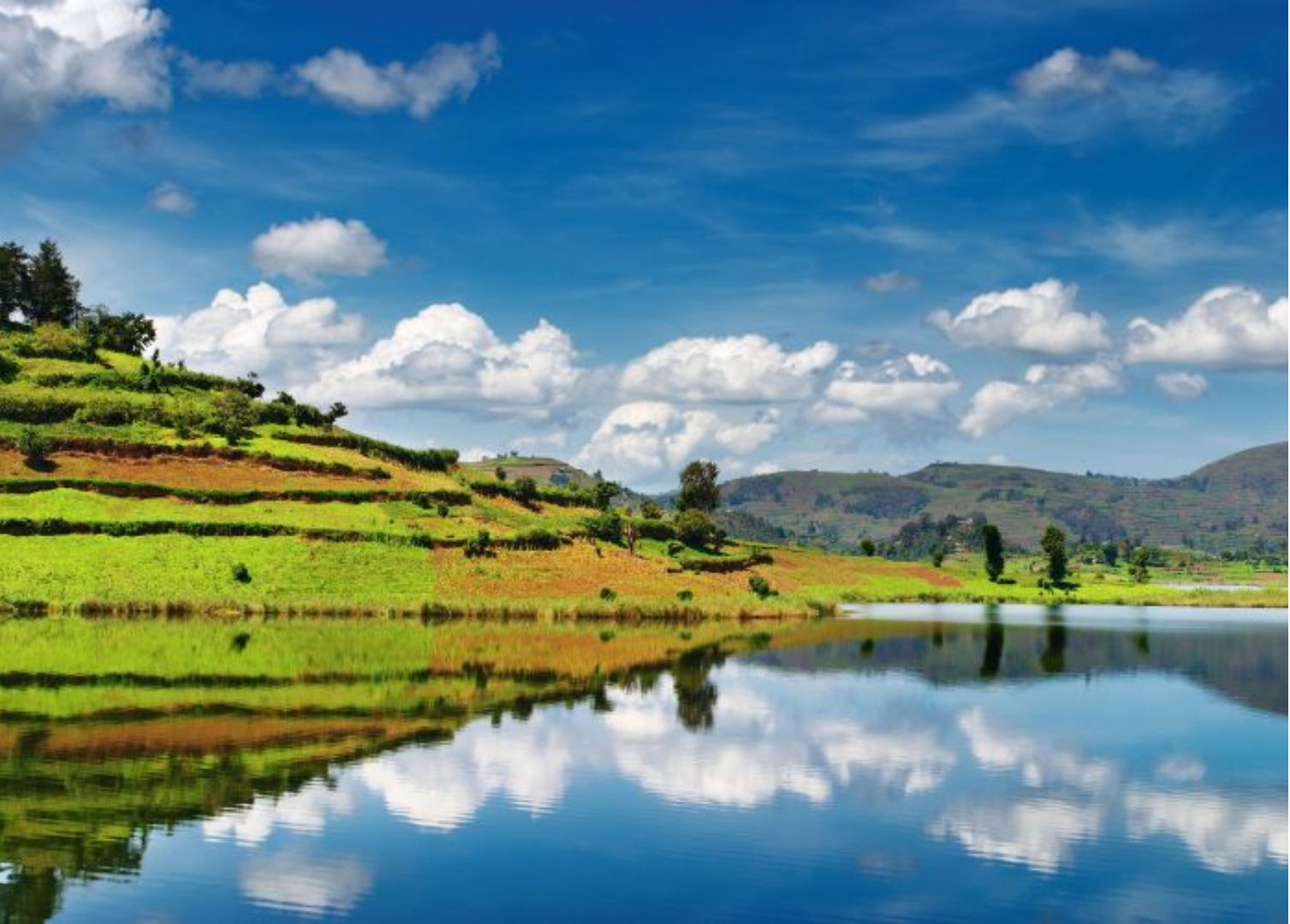
Why Uganda Belongs on Your Africa Itinerary
Uganda was never built for volume, and that's exactly the point.
It remains one of the only places on earth where you can reliably track mountain gorillas in the wild; most famously in Bwindi Impenetrable National Park, and these aren't passive sightings from a vehicle. They're physically demanding, tightly guided experiences that end in a close, carefully regulated encounter with a habituated family group.
Geographically, the country is remarkably compact. Rainforest, open savannah, wetlands and mountain ecosystems all sit within a single, connectable itinerary, without the constant internal flights Tanzania often requires. Even in its best-known parks, visitor numbers stay low, which gives the whole country a quieter, less commercialised feel than its neighbours. And the experiences themselves lean experiential rather than passive: trekking, walking safaris, boat excursions and community visits aren't add-ons here, they're central to what a Uganda safari actually is.
Bwindi Impenetrable National Park: The Heart of the Journey
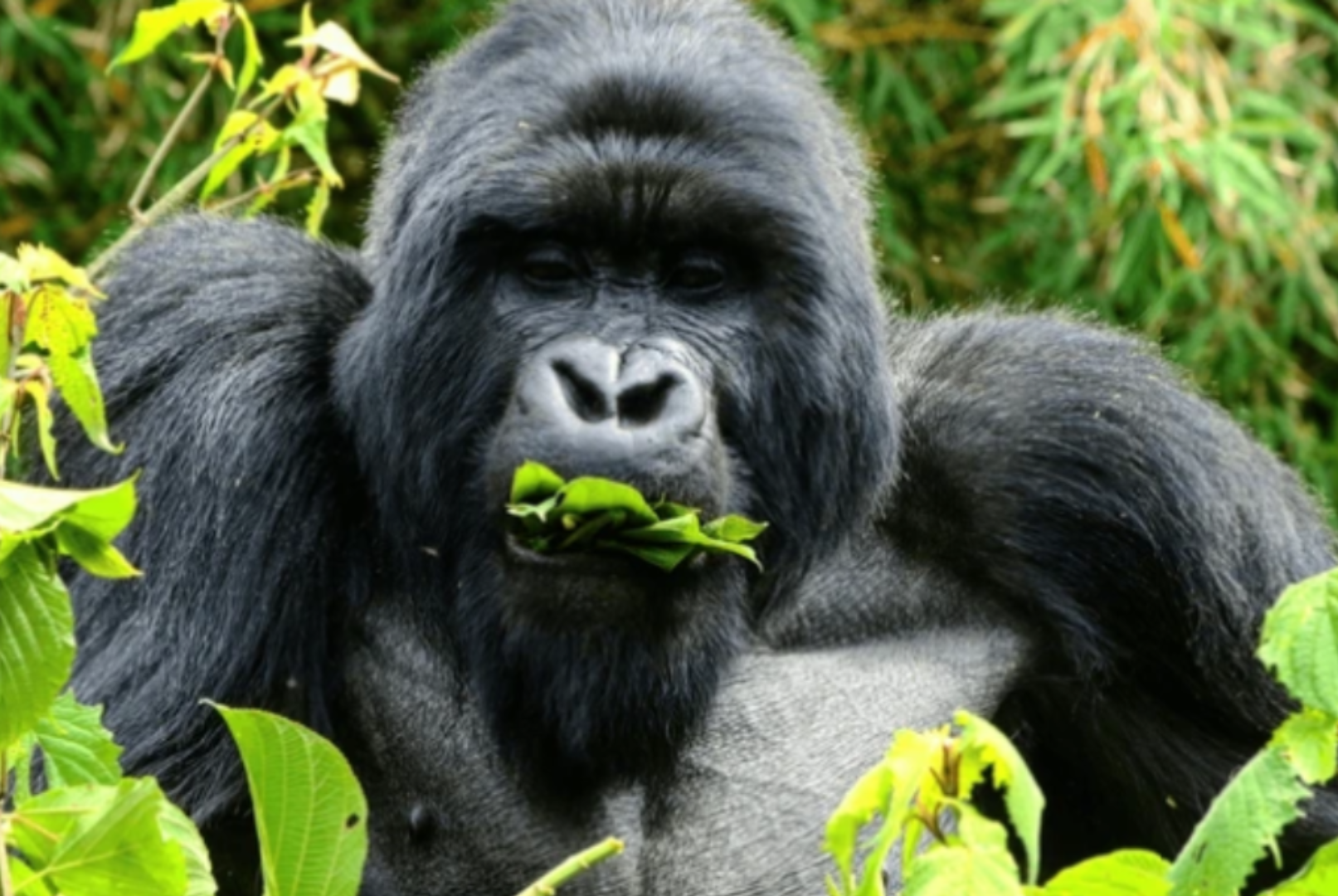
The park itself is dense, mountainous rainforest, steep and often low-visibility, which makes it feel nothing like a conventional safari landscape. Treks are led by expert trackers in small, carefully controlled groups, and can last anywhere from an hour to several, depending entirely on where the gorillas have moved. Once you find them, the encounter itself is capped at a single hour, a deliberate balance between the experience and the conservation of the family you're visiting.
This isn't an easy morning. Conditions can be humid, steep and unpredictable, and the trek itself will test you. But the reward : standing metres from a habituated gorilla family in their own forest, is one of the most powerful wildlife encounters available anywhere on the planet. I generally recommend two to three nights here, enough time for one trek with the option of a second, often with a different family.
Mgahinga Gorilla National Park: The Quieter Alternative
Mgahinga sits in Bwindi's shadow, and for the right traveller, that's exactly its appeal.
Fewer trekking permits are issued here, the terrain is more open than Bwindi's dense forest, and beyond gorillas, it's one of the few places in Uganda where you can also track golden monkeys. Accommodation choice is more limited, but for travellers who prioritise exclusivity over convenience, Mgahinga is worth serious consideration.
Queen Elizabeth National Park: Uganda's Most Versatile Landscape
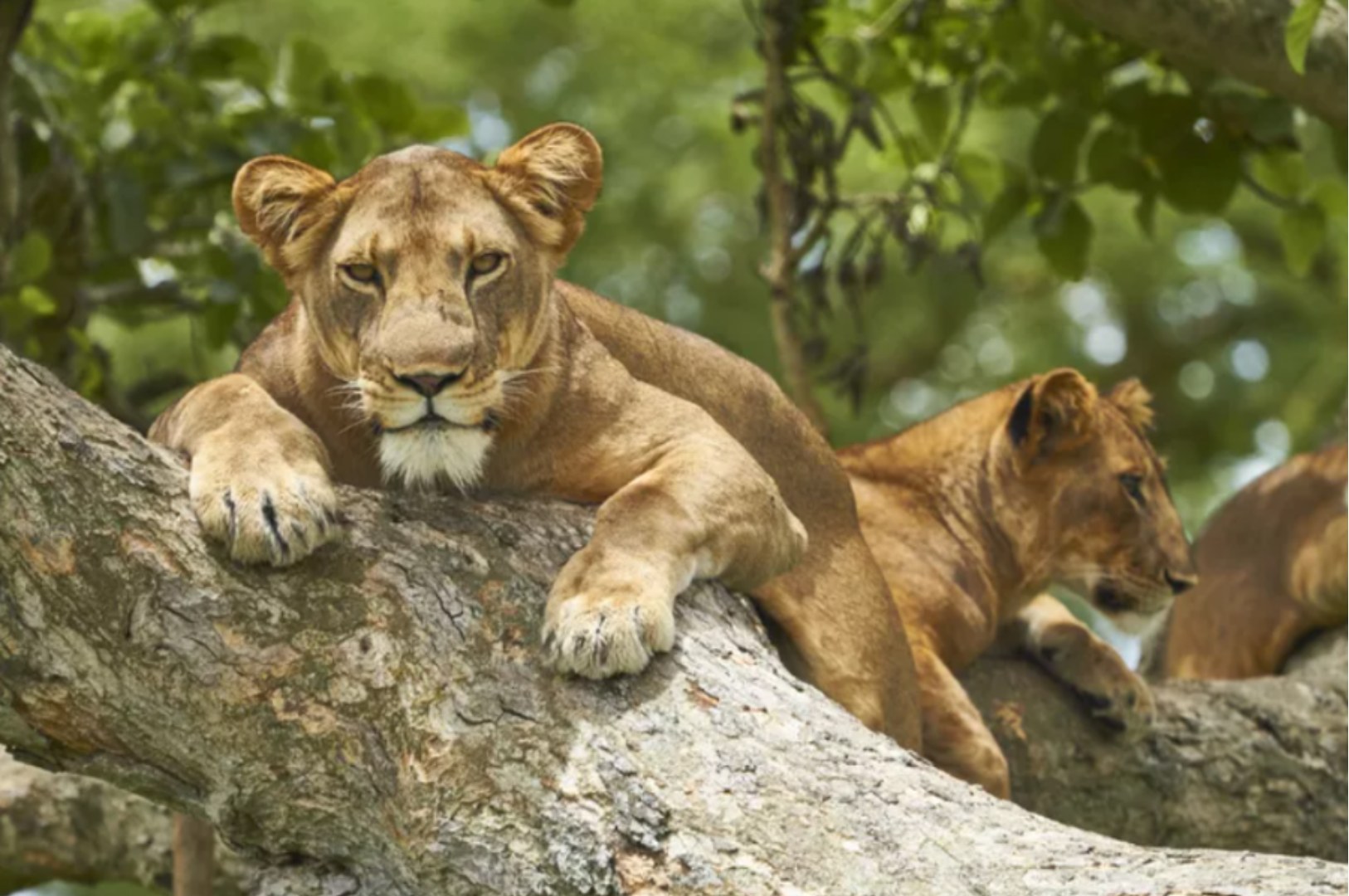
If Bwindi is Uganda's signature experience, Queen Elizabeth is its most complete one.
The park moves between savannah, wetland, crater lakes and forest, and the wildlife reflects that range: elephant, buffalo and antelope across the open ground, the tree-climbing lions of Ishasha in the south, and hippo and crocodile concentrated along the waterways. The real highlight, though, is the Kazinga Channel: a boat safari here delivers some of the closest, most reliable wildlife viewing anywhere in Uganda, often with elephants and buffalo drinking within metres of the boat.
I typically use Queen Elizabeth as the bridge between gorilla trekking and more traditional safari, two to three nights that reset the pace before or after Bwindi.
Murchison Falls National Park: Uganda at Its Most Classic
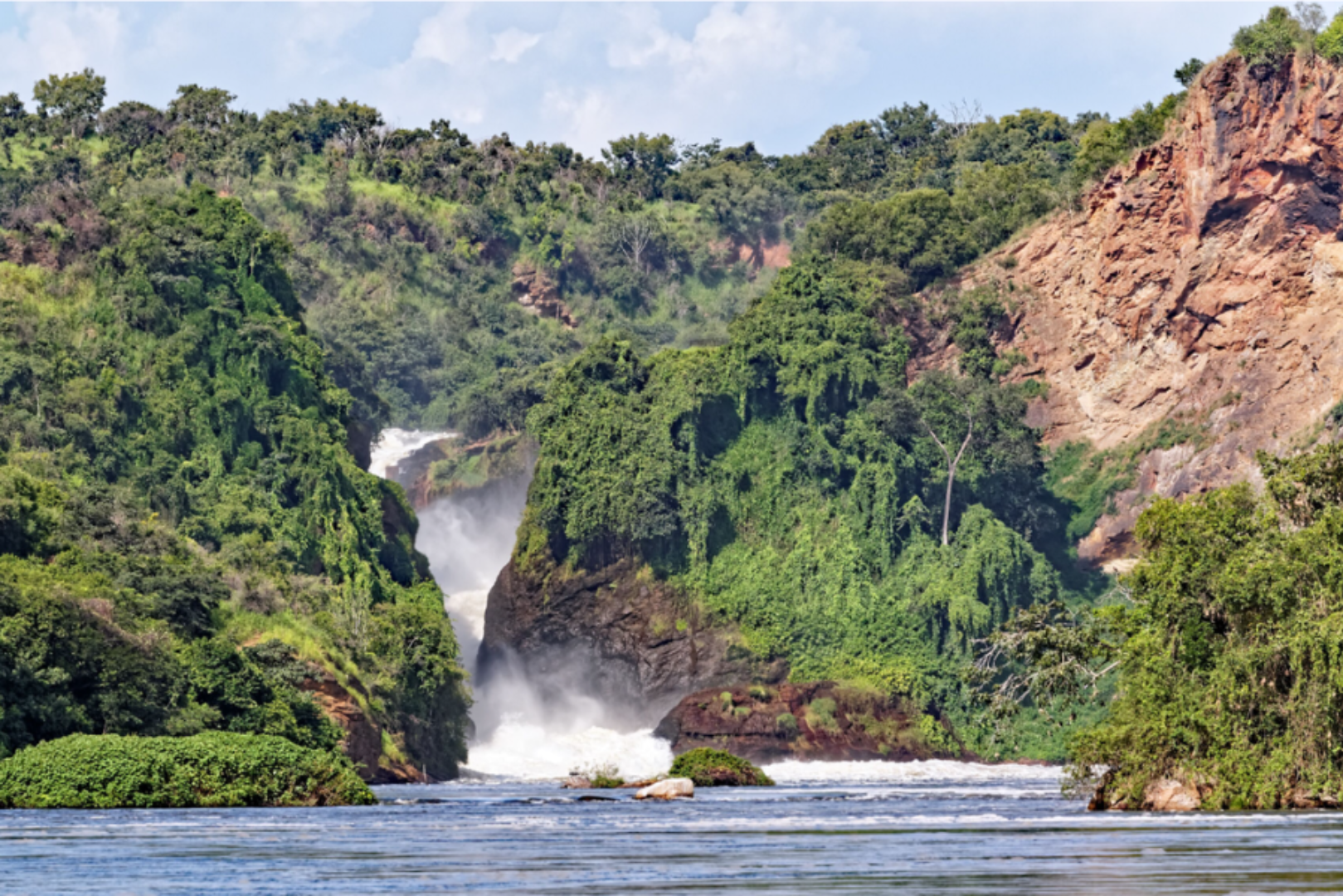
Murchison Falls is where Uganda starts to feel like the safari you already had in mind : open savannah, cut through by the Nile.
The falls themselves are the park's defining moment: one of the most powerful waterfalls in Africa, where the entire river is forced through a gorge barely a few metres wide. Giraffe, elephant and buffalo are all well represented, and while lion and leopard are present, they ask for more patience here than elsewhere. A boat safari to the base of the falls is the highlight for most travellers, though the game drives through the northern sector and the optional hike to the top of the falls both add real depth to a stay.
This is the park I recommend to travellers who want a genuinely traditional safari component alongside the primate experiences that brought them to Uganda in the first place.
Kibale National Park: Chimpanzees, and So Much More
Where Bwindi is slow and deliberate, Kibale moves fast.
Chimpanzee tracking here is a different kind of encounter entirely : more dynamic, less predictable, with movement often carrying up into the forest canopy itself. The terrain is considerably more forgiving than Bwindi's, and the forest holds more primate species than almost anywhere else in Africa, making it a rewarding stop even beyond the chimps. One to two nights is usually enough to add real texture to a broader Uganda itinerary.
Lake Mburo National Park: The Gentle Interlude
Lake Mburo isn't a headline destination, and it was never meant to be.
Rolling hills, lakes and open grassland set the scene, with zebra, impala and eland the main attractions rather than predators or elephants; there are none of either here. What makes Mburo worthwhile is what you can do inside it: walking safaris, horseback safaris and, in certain areas, cycling; activities that simply aren't possible in most of Uganda's other parks. I tend to use it as a transitional stop, most often between Entebbe and Bwindi, rather than a destination in its own right.
The Nile and Uganda's Water Systems
Water runs through Uganda's identity in a way it doesn't in Kenya or Tanzania. The Nile itself begins at Lake Victoria and shapes much of the country's geography and wildlife distribution as it moves north, and the boat safaris that follow it, particularly through Murchison Falls and Queen Elizabeth, aren't a secondary activity. They're central to how Uganda is best experienced.
Further west, a scatter of crater lakes adds a quieter, less structured note to the itinerary : beautiful, understated landscapes worth building in wherever the pace allows.
Best Time to Visit Uganda
June–September and December–February (dry seasons)
These are the strongest months for gorilla and chimpanzee trekking, when the trails are less muddy and the hiking noticeably easier. Wildlife viewing across the parks also improves as vegetation thins out. These are the busiest months, so gorilla permits, always limited, should be secured well ahead of time regardless of when you travel.
March–May and October–November (rainy seasons)
This season transform the forests into something lush and atmospheric, though trekking conditions become more demanding. In exchange, you'll find fewer visitors and better rates.
Planning a Uganda Journey
The itineraries that work best tend to follow a natural progression rather than jumping between extremes. Arrive through Entebbe, start in Kibale for chimpanzee tracking, move into Queen Elizabeth for safari and the boat experience on the Kazinga Channel, then finish with gorilla trekking in Bwindi or Mgahinga. From there, Murchison Falls or Lake Mburo make natural extensions if time allows.
The logic is progression: starting with lighter, more accessible experiences, and building toward the ones that ask the most of you. Uganda rewards that patience more than almost anywhere else in Africa.
Don’t miss out on our updates & newsletters

Ways you can pay:







© 2025 | Go Africa | All rights reserved
Go Africa

Messages
{{unread_count}}
Chat with: {{currentConversation.display_name}}